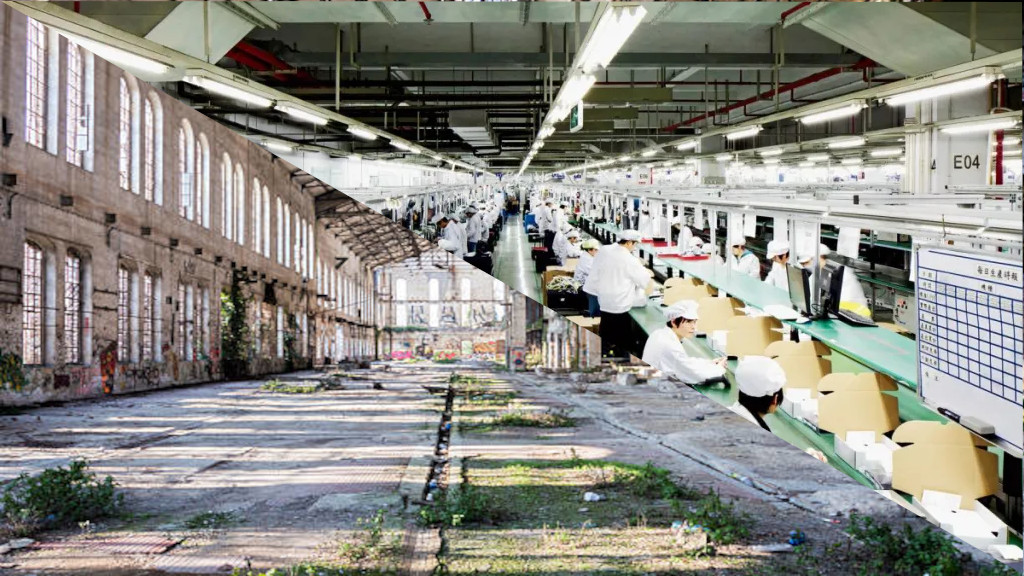
The situation is very serious and must be remedied as soon as possible.
A look into the future
In recent years, unfair competition from Chinese companies has reached alarming levels, putting many Western industries in check. A phenomenon known as “dumping” is allowing Chinese manufacturers to flood the market with extremely cheap products, destabilizing the economy of countries such as Spain.
Dumping and the Impact on the Industry
A clear example of this practice is the sale of electronic circuits on platforms such as Aliexpress. These circuits can be purchased for as little as 14 €, including shipping, when bought as a unit. In contrast, if we try to manufacture the same circuits in the West, even in quantities of 1000 units, the cost of the components alone doubles the price of the finished equipment sold by the Chinese. When adding the labor costs and logistical expenses, it makes competition unfeasible.
Local companies face not only higher costs, but also strict regulations and standards that Chinese products often fail to meet. While Western companies must guarantee the safety and quality of their products, many items imported from China do not have CE certification, putting consumers at risk and challenging European standards.
Objectives of Chinese Dumping
The motivations behind these low price strategies are two main ones. First, to obtain foreign currency to buy debt, thus strengthening China’s economic position. Second, to force Western companies to relocate their factories, moving production to countries with lower operating costs, which in turn weakens local industry and employment.
This practice not only undermines the competitive capacity of local companies, but also has a devastating impact on employment and the regional economy. Small and medium-sized enterprises (SMEs), in particular, are the hardest hit, as they lack the resources to compete with the low prices of Chinese products. A notable example is the toy industry, which played a very important role in IBI (Alicante). This region, once a toy production center with numerous industries, has seen how these companies have been literally swept away by unfair competition from Chinese manufacturers, unable to compete with the low production costs and reduced prices of imported toys.
In addition, European toy regulations are very strict in terms of safety and quality, and many Chinese products do not comply with them. In the poorer quality toys, which are marketed in bazaars, this non-compliance is evident, putting minors at risk. This raises an urgent question: what are the competent consumer authorities doing? The lack of control and permissiveness in the face of these practices not only affect the competitiveness of local companies, but also compromise the safety of our children.
The Case of the Automotive Industry
The automotive sector is particularly vulnerable. In Spain, it accounts for 15% of GDP, and the growing market share of Chinese cars, coupled with strict European laws on electric cars, is pushing the industry to the brink of collapse. European manufacturers struggle to compete with the low prices of Chinese cars, which arrive in Europe without the same quality standards and CE certification, further aggravating the situation.
The transition to electric vehicles, driven by environmental regulations, is being capitalized by Chinese manufacturers, who already dominate the market for batteries and essential components. This puts European manufacturers at a disadvantage, as they must invest huge sums in research and development to comply with the new regulations, while the Chinese already offer cheaper and more accessible solutions.
Invasion of Non-Certified Products
Every day, hundreds of thousands of packages of electronic products and other equipment, many without proper CE certification, enter Europe without paying the corresponding taxes. Customs are overwhelmed and seem unable to control this avalanche. This lack of control not only jeopardizes consumer safety, but also represents a significant loss of tax revenue for the countries concerned.
Uncontrolled entries affect a wide range of sectors, from electronics to textiles. This not only impacts the formal economy, but also creates a parallel market that escapes regulation and audits, generating unfair competition and affecting tax collection.
Patent Misconduct
Another critical problem is the lack of respect for patents and trademarks. An emblematic case is LoRa, a modulation technology developed by a Swiss company that allows communication over long distances with very low power. LoRa modules are manufactured in China and sold at low prices, but use this trademark without a license. Moreover, these modules, although more or less compatible with LoRa, often transmit with a power that exceeds legal limits, generating interference and regulatory compliance problems. This violation of intellectual property and safety standards is another blow to Western companies that respect regulations and property rights.
Certification and Origin Deception
Not content with this, Chinese companies also mislead the consumer with the certification and origin of their products. They have created a logo very similar to the European CE marking, which actually stands for “China Export”. This trick confuses consumers into believing that the products meet European standards. In addition, knowing the discredit in terms of quality, they sometimes hide their origin by labeling their products as “Made in P.R.C.” (People’s Republic of China) instead of “Made in China”.

Inhumane working conditions
The lack of ethics does not stop in the international market. Within China, the situation of workers in so-called “re-education centers” is alarming. The Uyghur ethnic group, in particular, is subjected to forced labor, a practice that is particularly shocking in the cotton sector. More than a few technology brands take advantage of this cheap and exploited labor force. These inhumane working conditions not only violate human rights, but also allow Chinese companies to further reduce their production costs, creating unfair competition on the global market.
What Are Our Representatives Doing?
Faced with this situation, an inevitable question arises: What are our political representatives in Brussels doing? Why are they not taking stronger measures to protect our industries and consumers against these unfair practices?
It is crucial that effective policies are implemented and customs controls strengthened to curb dumping and protect the local economy. Policymakers must act urgently to ensure that local businesses can compete on a fair and level playing field. This includes not only imposing custom duties on non-compliant products, but also encouraging innovation and local production.
Otherwise, many companies in the West will be forced to close, leading to a major economic crisis. We cannot allow Chinese dumping to continue to erode our industry and our economy. It is time to take decisive action to safeguard our future.